
By Author
Understanding Anxiety and Sleep: Effective Coping Mechanisms to Unwind Before Bed in Sugar Land, TX
Anxiety can greatly affect sleep quality, leading to ongoing struggles that impact daily life. Understanding the relationship between anxiety and sleep is crucial for promoting better rest and overall well-being.
What is Sleep Anxiety?
Sleep anxiety refers to the apprehension or worry about falling asleep or staying asleep. It can lead to physical symptoms like tension and fatigue, and emotional consequences such as stress and irritability, all of which contribute to poor mental health.
The Connection Between Anxiety and Sleep
Anxiety and sleep disturbances have a bidirectional relationship. When someone experiences anxiety, it often leads to trouble sleeping, which then further exacerbates feelings of anxiety. Common symptoms of this cycle include racing thoughts at bedtime, insomnia, and frequent awakenings during the night.
Coping Techniques for Sleep Anxiety
Managing sleep anxiety effectively involves incorporating practical strategies into your nightly routine:
Establishing a Calming Bedtime Routine
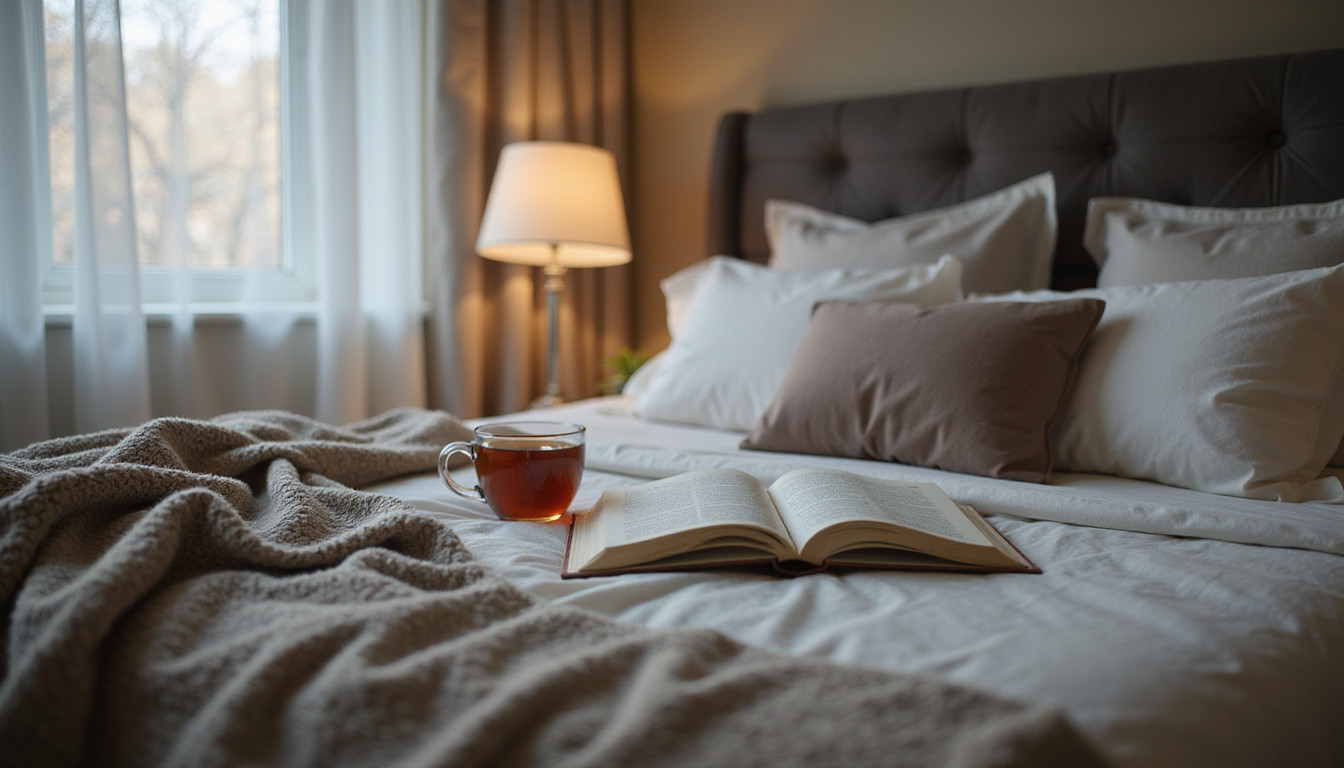
Creating a calming bedtime routine is key to managing anxiety. This might include activities like reading a book, taking a warm bath, or practicing gentle yoga. Try to set a consistent bedtime and wind down with these activities about an hour before sleep.
Mindfulness and Relaxation Techniques
Mindfulness can significantly help in alleviating sleep anxiety. Techniques such as deep breathing exercises, guided meditation, and progressive muscle relaxation can calm your mind and body. For instance, trying the 4-7-8 breathing technique—inhale for 4 seconds, hold for 7 seconds, and exhale for 8 seconds—can promote relaxation.
Creating a Conducive Sleep Environment
Your bedroom should be a haven for sleep. Ensure it’s dark, quiet, and at a comfortable temperature. Consider using blackout curtains, a white noise machine, or a fan to create perfect sleep conditions. Also, keep screens away to reduce distractions and enhance relaxation.
Sleep Effort
Avoiding sleep effort is essential. This means not forcing yourself to sleep or constantly checking the time. Instead, allow sleep to unfold naturally by focusing on relaxation rather than the act of trying to yield sleep.
Seeking Professional Help
If sleep anxiety persists or worsens, it might be time to seek professional help. Signs that indicate a need for support can include chronic insomnia, debilitating anxiety symptoms, or having difficulty functioning in daily life. Don’t hesitate to reach out to a mental health professional for guidance and support.
Practical Meaning of Coping with Sleep Anxiety
Implementing coping mechanisms is crucial for improving sleep and reducing anxiety. Developing healthy habits can foster resilience, allowing individuals to manage stress and ultimately enhance their overall well-being.
FAQs about Sleep Anxiety and Coping Techniques
Can anxiety cause sleep problems? Yes, anxiety can disrupt sleep patterns, making it difficult to fall asleep or stay asleep.
What are some natural remedies for anxiety before bed? Natural options include herbal teas, aromatherapy, and mindfulness practices that promote relaxation.
How long does it take to see improvements in sleep quality? With consistent coping techniques and routines, some individuals may notice improvements within a few weeks.