
By Author
The Ultimate Guide to Sustainability in the Food and Beverage Industry in Ocala, Fl
Sustainability in the food and beverage industry refers to methods and practices that reduce negative impacts on the environment while supporting local economies and communities. It’s significant because it addresses environmental, economic, and health issues associated with food production and consumption.
Understanding Sustainability in the Food and Beverage Industry
What is Sustainability?
Sustainability means meeting our needs without compromising the ability of future generations to meet theirs. In the food industry, this involves using resources wisely to maintain a healthy planet and community.
Why Sustainability Matters in Food & Beverage
Food sustainability is crucial as it helps protect the environment, boosts the economy, and enhances public health. Sustainable practices lead to cleaner processes, reduce waste, and improve the quality of food available to consumers.
Key Principles of Sustainable Sourcing
Locally Sourced Ingredients
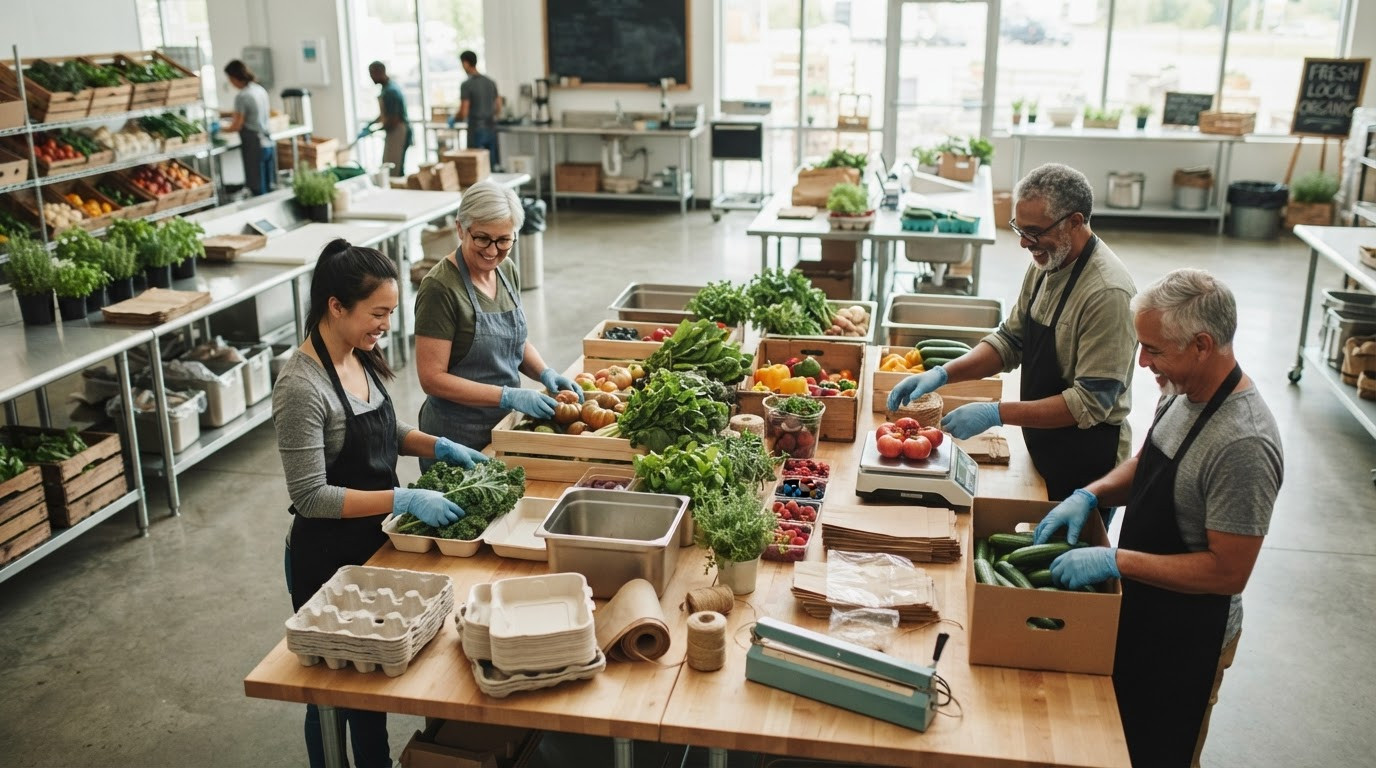
Buying from local farms and producers supports the community and reduces carbon emissions related to transport. It often leads to fresher, healthier food options too.
Ethical Sourcing
Fair trade practices ensure that farmers and workers receive fair compensation. This promotes ethical labor practices and improves living conditions for those involved in production.
Seasonal Ingredients
Choosing seasonal products not only reflects the natural growing calendar but also minimizes environmental impacts. Seasonal ingredients are typically fresher, tastier, and more nutrient-rich.
Sustainable Production Methods
Energy-Efficient Practices
Using energy-efficient equipment and practices can significantly lower energy consumption in production. This not only reduces costs but also lessens the environmental footprint.
Water Conservation Techniques
Food processing consumes a lot of water, so implementing techniques like recycling water and using efficient machinery can drastically minimize water wastage.
Waste Reduction Strategies
Managing and reducing waste during production is vital. Methods include composting, recycling, and converting waste products into new materials, which not only save costs but also protect the environment.
Eco-Friendly Packaging Solutions
Biodegradable and Compostable Packaging
Alternatives to traditional plastic packaging are becoming popular. These materials break down naturally, reducing landfill waste and pollution.
Recyclable Packaging Materials
Packaging made from recyclable materials can significantly cut down on waste, as consumers can bring them back into the recycling stream rather than sending them to landfills.
Minimalist Packaging Design
Simpler and smaller packaging reduces materials used and waste generated. It often means less space is taken up in landfills, contributing to a more sustainable system overall.
Real-World Examples of Sustainable Practices
Case Study: Sustainable Dining Establishments
Many restaurants are now dedicated to sustainability, using local ingredients and eco-friendly practices to attract conscious consumers. Examples include farm-to-table restaurants that emphasize sustainable sourcing.
Best Practices from Leading Brands
Major food and beverage brands are implementing significant changes to elevate their sustainability efforts, such as reducing plastic use and improving supply chain efficiency.
Challenges and Future Trends in Sustainability
Supply Chain Issues
Sourcing sustainable ingredients can be challenging, particularly with disruptions in global supply chains. It’s essential for businesses to establish reliable and transparent sourcing channels.
Consumer Demand and Awareness
As consumers become more aware, their demand for sustainable products grows. This pushes companies to adopt more ethical and eco-friendly practices.
Innovations in Sustainability
New technologies and innovative practices, such as vertical farming and lab-grown meats, are emerging as significant trends in the sustainability landscape.
Conclusion
Integrating sustainability into the food and beverage industry is essential for the welfare of our planet and future generations. It requires commitment from individuals and businesses alike for meaningful change to occur. A collective responsibility can promote sustainable practices across the board.
FAQs about Sustainability in the Food and Beverage Industry
What are the main benefits of sustainable food practices?
Sustainable food practices have environmental benefits like reduced pollution and conserving resources, as well as economic advantages such as supporting local farms and communities.
How can consumers identify sustainable products?
Consumers can look for certifications like organic or fair trade labels, check ingredient lists for sourcing clarity, and support brands that are transparent about their sustainability efforts.
What is the role of regulations in promoting sustainability in the food industry?
Government regulations and policies play a crucial role in encouraging sustainable practices through incentives, guidelines, and standards that businesses must follow to foster environmental stewardship.